
What is the scam?
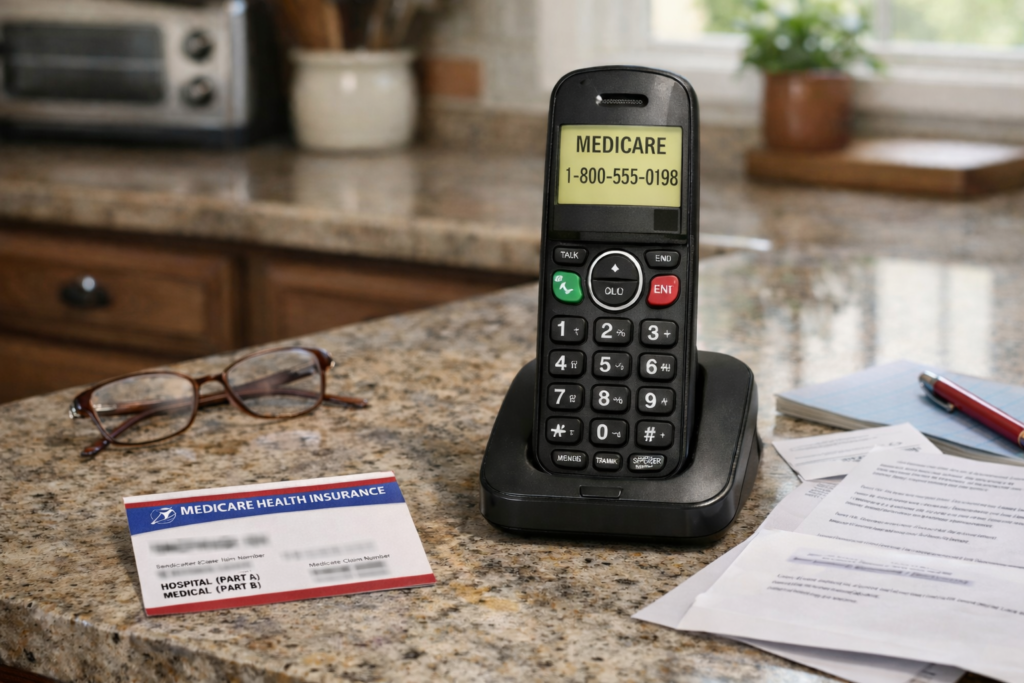
Medicare scams involve criminals posing as Medicare representatives to steal your Medicare number, personal information, or money. These scams take many forms—phone calls, text messages, emails, and even in-person visits—but they share a common goal: using your Medicare information for fraud.
A stolen Medicare number can be used to file false claims, bill for medical equipment you never received, or steal your identity. Scammers may also try to enroll you in Medicare Advantage plans without your consent, earning them a commission while potentially disrupting your coverage.
These scams spike during Medicare’s Annual Enrollment Period (October 15 – December 7), but they occur year-round. Scammers know that Medicare communications can be confusing, and they exploit that uncertainty to pressure you into sharing information.
How this scam usually works
The most common approach is an unsolicited phone call. The caller claims to be from Medicare and says your Medicare card is expiring, you’re owed a refund, you qualify for a free medical device, or you need a new card with a chip. None of these claims are true—Medicare cards don’t expire on a schedule, and Medicare doesn’t call to sell products or request your number.
The caller asks you to “verify” or “confirm” your Medicare number, Social Security number, or bank information. They may already have some of your details from data breaches, which makes the call seem legitimate. Once they have your Medicare number, they can bill Medicare for fake services in your name or sell your information to other criminals.
Some scammers show up in person at senior centers, community events, or door-to-door. They offer “free” health screenings, genetic tests, or medical equipment like back braces in exchange for your Medicare card. They scan or photograph your card, then bill Medicare thousands of dollars for unnecessary tests or equipment. Genetic testing scams are particularly common—companies offer free DNA tests to screen for cancer risk, then submit fraudulent claims.
Another variant targets people during enrollment periods. You receive a call from someone claiming to represent a Medicare Advantage plan with better benefits. They pressure you to enroll over the phone, sometimes switching your coverage without clearly explaining what you’re agreeing to. Legitimate Medicare plan representatives don’t cold-call and pressure you to enroll immediately.
How to protect yourself
Medicare will almost never call you unsolicited. If someone calls claiming to be from Medicare and asks for personal information, hang up. You can verify any claims by calling Medicare directly at 1-800-MEDICARE (1-800-633-4227).
Never share your Medicare number with someone who contacts you first. Legitimate Medicare representatives don’t need to call you for this information—they already have it. Treat your Medicare card like a credit card: don’t let strangers photograph it or write down the number. This follows the same pattern you’ll see in other government impersonation scams.
Be skeptical of “free” offers that require your Medicare number. If someone offers a free genetic test, back brace, or screening at no cost to you, they’re likely planning to bill Medicare. Legitimate preventive services are available through your doctor, not strangers at community events.
During enrollment periods, work only with licensed agents or brokers you’ve contacted yourself. You can find legitimate help through Medicare.gov or your State Health Insurance Assistance Program (SHIP). Never feel pressured to make enrollment decisions over the phone with someone who called you. Understanding what real companies will never ask you to do can help you spot these high-pressure tactics.
What to do if you’ve been affected
If you’ve shared your Medicare number with a suspected scammer, call Medicare immediately at 1-800-MEDICARE. Ask them to review your Medicare Summary Notices for claims you don’t recognize. You can also request a new Medicare number if yours has been compromised—Medicare now allows this in cases of fraud.
Review your Medicare Summary Notices carefully. These statements arrive quarterly and show what providers have billed to your account. If you see services, equipment, or tests you didn’t receive, report them by calling the number on the notice or contacting Medicare.
Report the scam to the HHS Office of Inspector General at 1-800-HHS-TIPS or online at oig.hhs.gov. You should also file a report with the FTC at ReportFraud.ftc.gov. If you paid money directly to scammers, contact your bank immediately.
Be alert for follow-up scams. Once scammers know you’re a Medicare beneficiary, they may try again with different approaches—or sell your information to others. If you receive another suspicious call referencing the previous incident or claiming to help you “recover” from the fraud, don’t engage. For guidance on protecting your identity going forward, see our article on account takeover scams.